
fashion merchandising in New York City
with banson nyc
June 1:
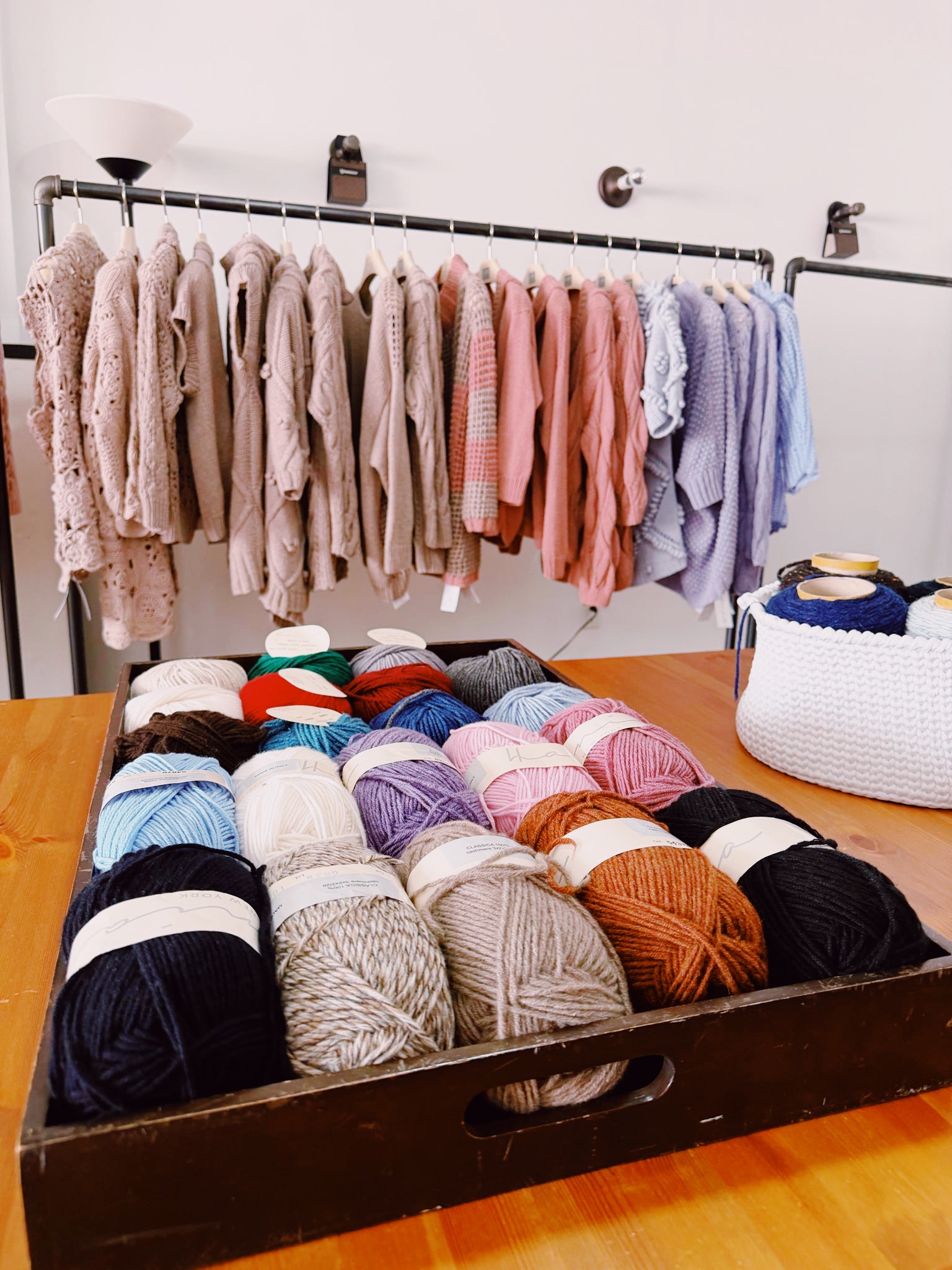
We began our day with an orientation meeting with our tour guide for the week, Hollin. She taught us all about her company, Banson NYC, and the plans for the week ahead. Our first industry tour was a tour through the offices and factory of HANIA, a luxury knitwear brand created by Anya Cole. When we toured HANIA, Anya told us about her career as a professional ballerina and her escape from war-torn Cold War-era Poland. She also told us about her struggles when she first migrated to New York as a poor, single mother who did not speak English. To finalize our tour, we walked through her personal workshop, where we learned about Anya’s process for designing her sweaters without any templates and her stories of importing all of her yarn straight from Italy for every product she creates. Some other interesting facts we learned about the company HANIA are that all of the company’s products are handmade and one-size-fits-all, and that a percentage of the profits from each sale is donated to charities of her or the buyer’s choosing. After leaving HANIA, we walked to our final tour of the day, Medusa’s Heirlooms. This store, owned by Katherine Hausman, is a primary wholesaler of hair accessories and Swarovski crystals to many companies, such as Free People and Anthropologie. These large contracts have landed her features in magazines such as Vogue, Glamour, and Mademoiselle. To finish our tour with Katherine Hausman, she let us browse her store and purchase anything we found at wholesale prices. We then finished our day with an Italian dinner as a group with Hollin and Dr Ginder.
June 2:
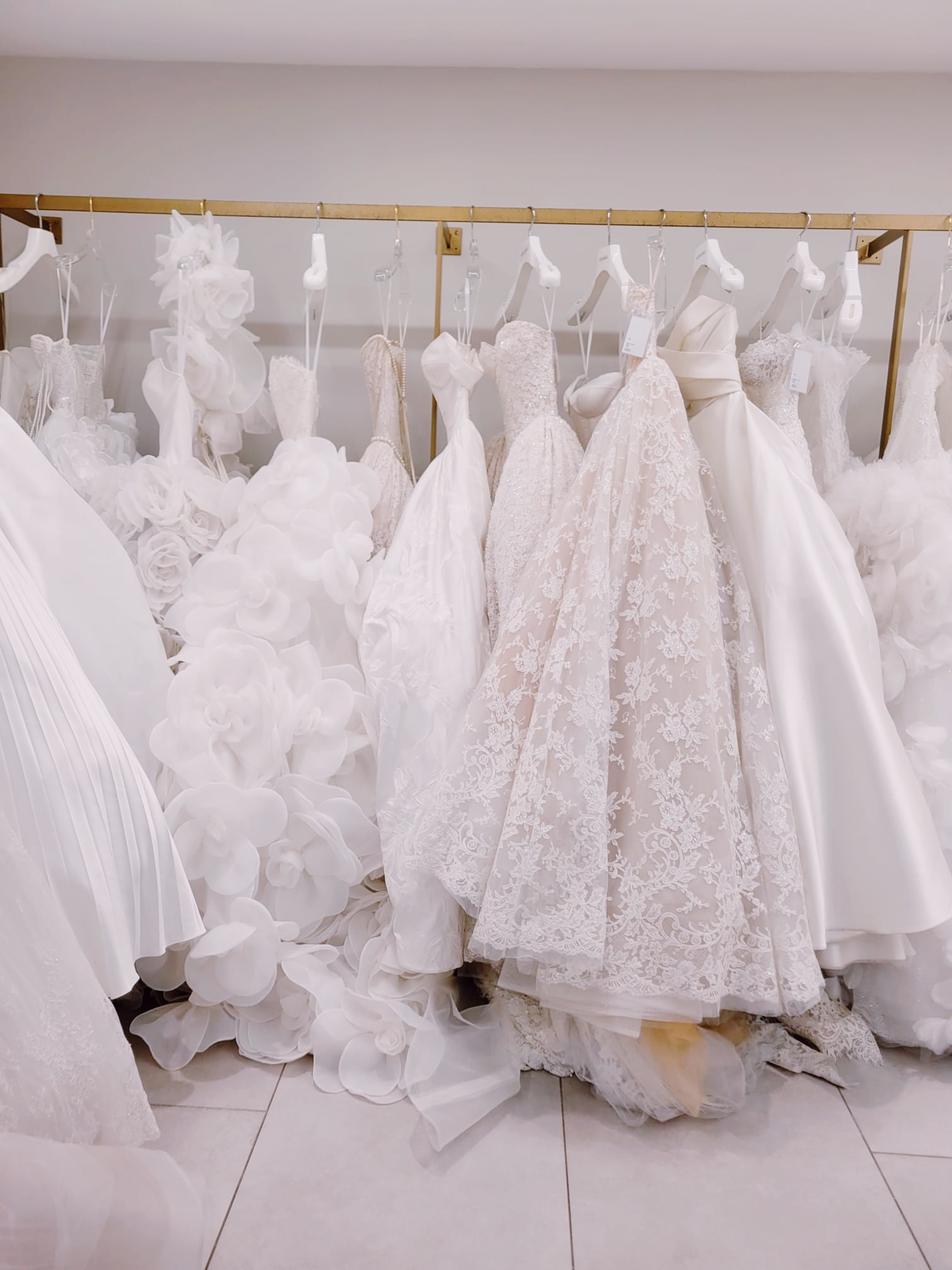
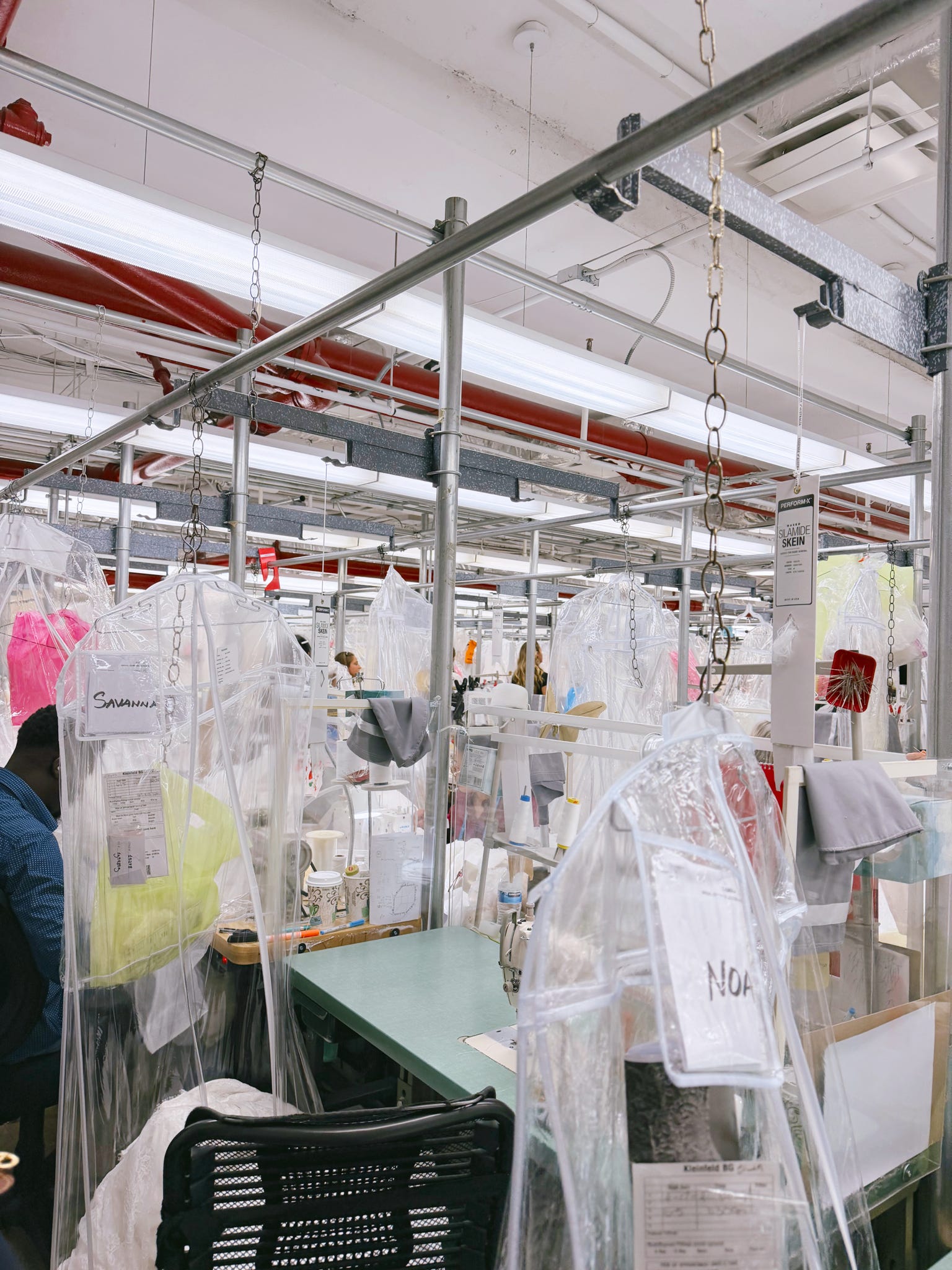
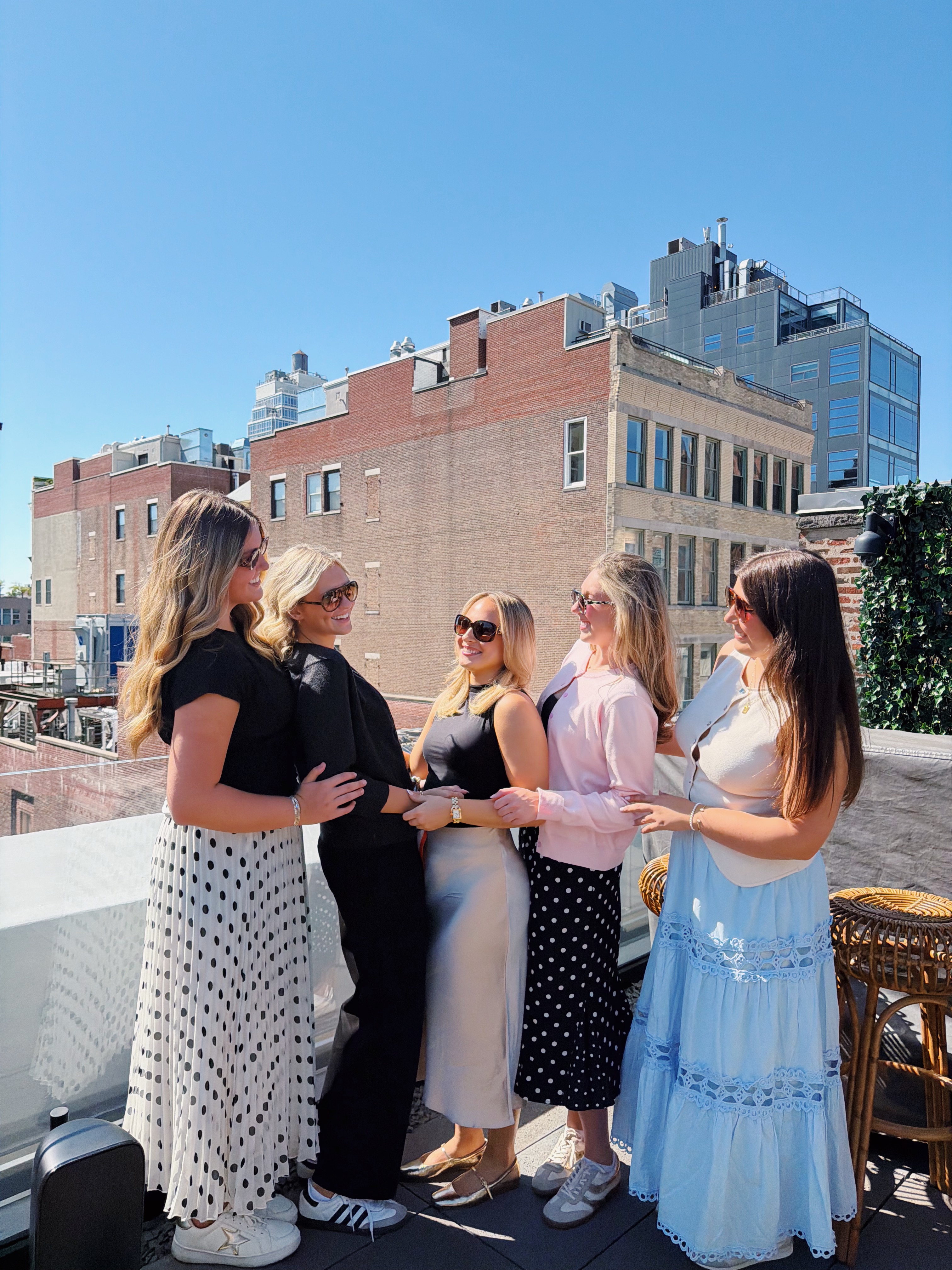
We began day 2 at Suitsupply with a conversation with their assistant manager, who oversees all their corporate accounts. We started with a lecture about Suitsupply and their base in Amsterdam, as well as their custom tailoring process, which is mainly for men but is also available for women upon request. We then got a rooftop tour of their facility and all of Soho. After the rooftop tour, we did an interactive styling workshop, working in groups of four for a made-up customer’s summer wedding. My group and I picked out a cream suit with a green shirt, pocket square, and brown leather loafers to give the outfit a fun, refreshing summer feel. After this visit, we made our way to Mega Mega Projects, a Jewelry and Accessories consultancy firm specializing in public relations, wholesale representation, digital marketing, and social media management for celebrities attending major red-carpet events. We met with a member of the company’s PR team who told us stories about the celebrities she has worked with, including Taylor Swift and many other A-List stars. The last thing we were taught at Mega Mega Projects is their desire to work with smaller, niche designers rather than traditional corporations. After the tour of Mega Mega Projects, we walked to Kleinfeld Bridal, where we toured their facility and learned about their deep tailoring and customization processes for their bridal gowns, as well as hearing some stories of the filming of Say Yes to the Dress in which clients and employees are required to audition to be on the show. We then walked through the workspace of Pnina Tornia, one of the most well-respected in-house designers at Kleinfeld Bridal. After this, we toured the lower level of Kleinfeld Bridal, where we watched the secondary and tertiary tailoring processes of their gowns. To end our day, we went to Nordstrom, where we were given a tour of their seven-story retail store. They toured us through the different floors, starting on floor one, which featured cosmetics, fragrances, and fine accessories. Floor two was dedicated strictly to women’s shoes, while three and four featured contemporary fashion, women’s apparel, and a section for styling and alterations. The final two floors featured home goods, gifts, kids’ apparel, designer clothing, and additional dining options. We ended the day at Nordstrom and went back to our hotel.
June 3:
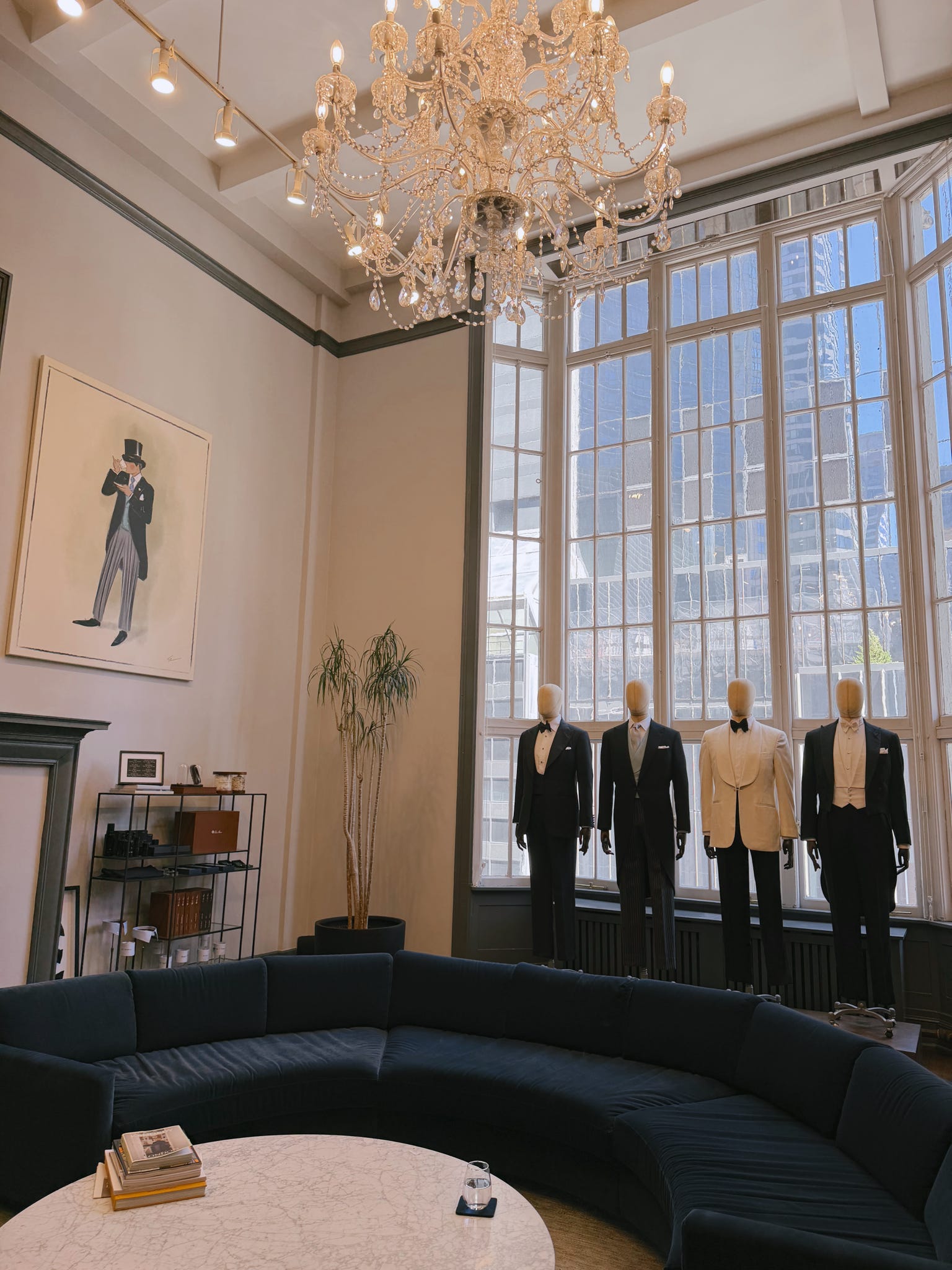
We began the third day of our trip at Mood. We got to explore the companies, fabrics, and many other items they had on display for sale. We learned that the company provides many of America’s top designers and hottest celebrities with the latest in designer fabrics. Our next stop of the day was at CAD and the Dandy. We learned all about the process of designing a handcrafted, bespoke suit every man wants. We learned that they have locations on Savile Row in London, in Stockholm, and in New York. The owner of this team talked to us about the brand, showing us their collection of business suits, tuxedos, black-tie, white-tie, blazers, pants, shirts, and overcoats. We got to learn all about the brand in the penthouse room of their store, where all the custom tailoring happens. Our next stop of the day was at Full Beauty Brands. Full Beauty Brands is a company based in New York that retails brands for plus-size women’s apparel, big and tall men’s apparel, and HomeGoods. We learned about the challenges of designing plus-size clothing and how they gather input on different pieces through multiple surveys. They also taught us about the challenges of making trendy clothing for plus-size women. We also toured their facility, where we had an incredible view of the Statue of Liberty. We ended our day as a group by seeing Death Becomes Her on Broadway.
June 4:
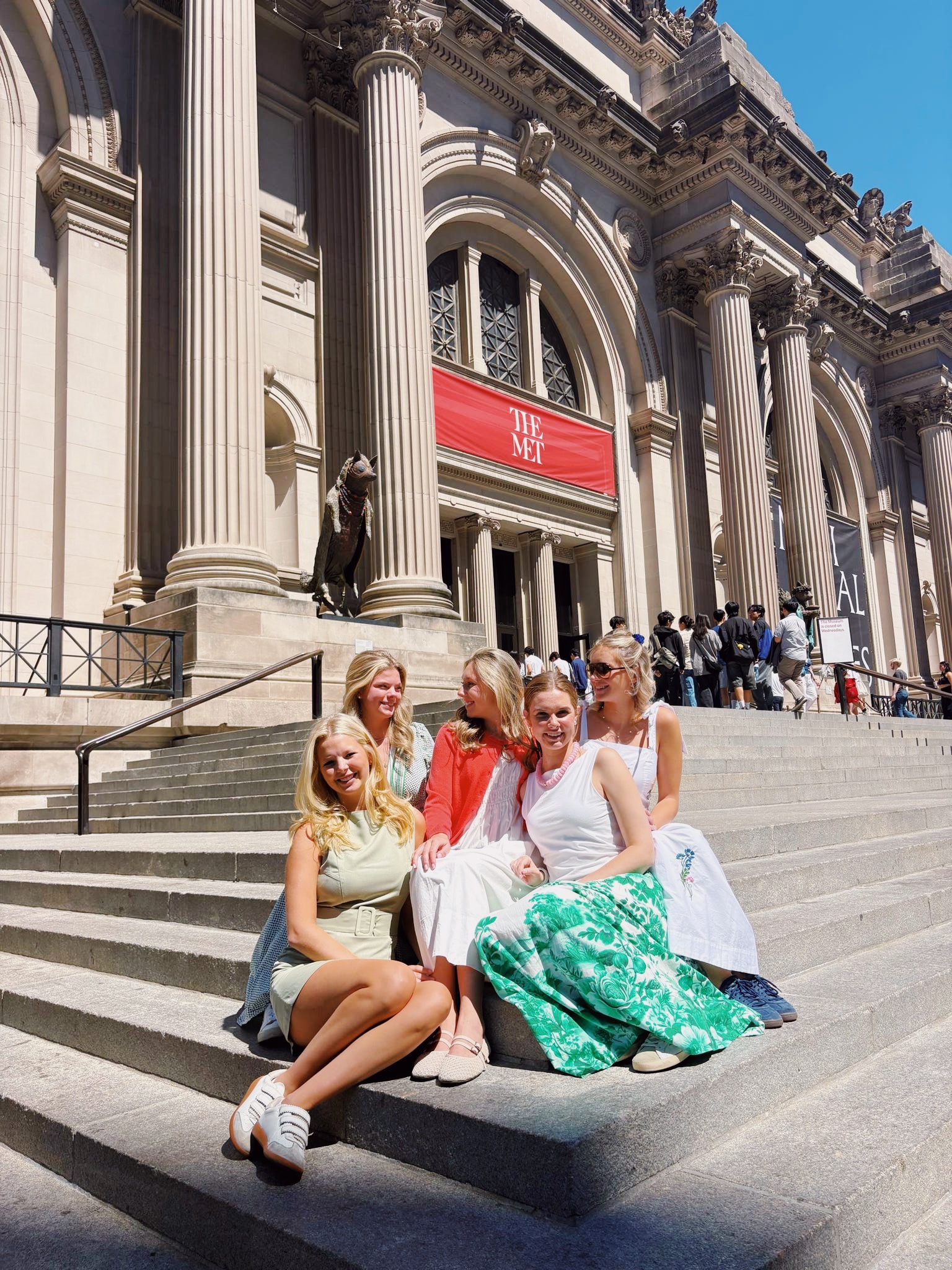
We began our fourth day at the Metropolitan Museum of Art, where we explored the amazing exhibits.Then we made our way over to Autumn Communications, which was personally one of my favorite stops on the trip. At Autumn, we learned all about the world of PR. We learned how they connect brands with influencers and actors of all kinds, and all the creative work that goes into it. We also got to learn a little bit about their intern process, which I was super interested in. We learned that some of their interns were even able to attend the events they threw for other brands/companies. After that, we broke for lunch and finished our day at the SAP Experience Center in New York. SAP showed us the future of retail fashion and enterprise technology. We met with a member of their team who walked us through their fashion experience lab, which demonstrated some of their new technology, such as personalized shopping, smart mirrors, and the KNAPP arrow bot system for retail logistics. We also learned about immersive technology that showcased AI-powered personal shopping assistance and sustainable, traceable merchandising journeys.
june5:
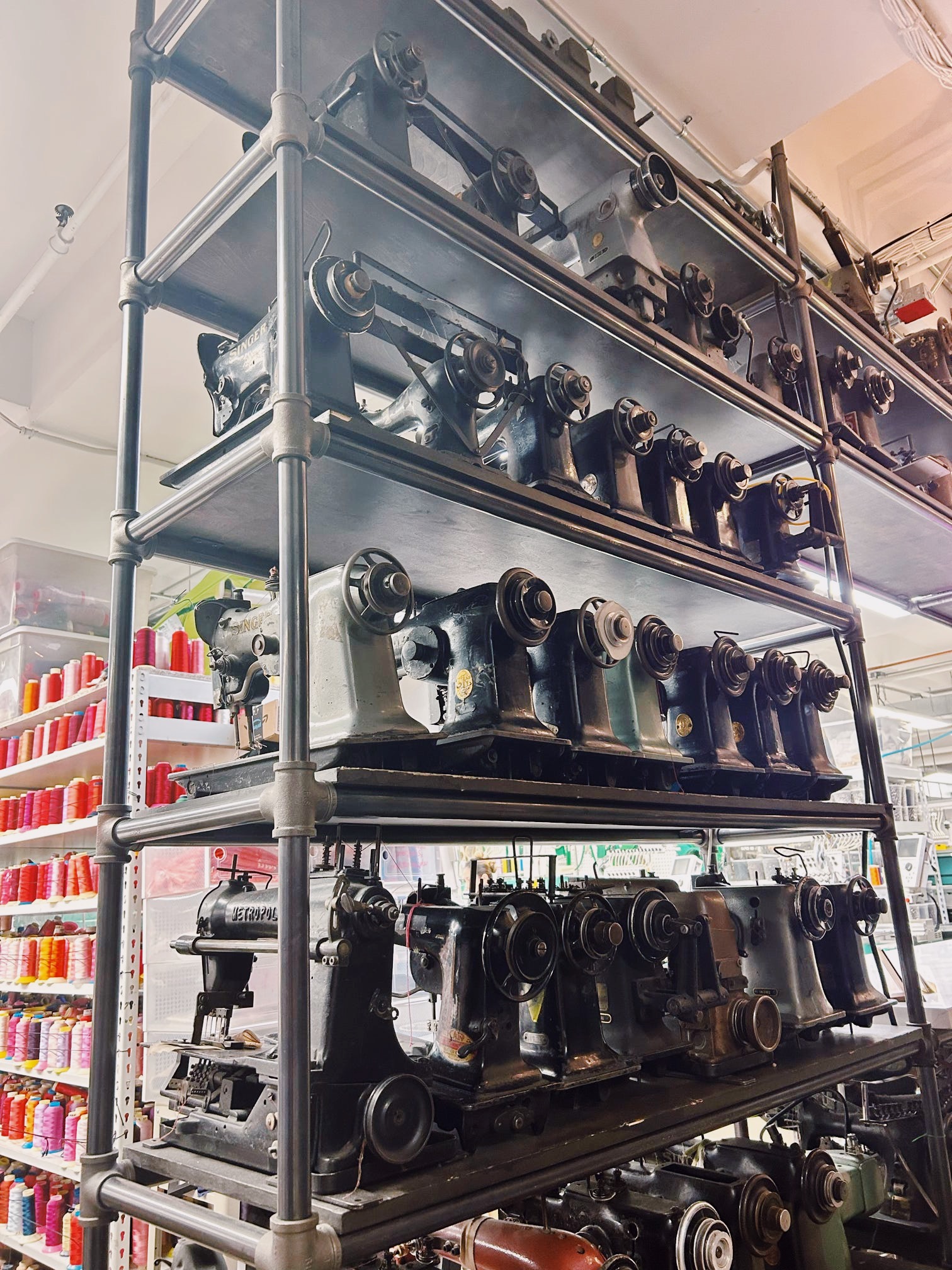
We began our final day at In Style USA. We got a tour of their facility, which has two complete floors in the heart of the garment district and over 100 sewing machines and 260-foot cutting tables for 30 years. They have been providing quality domestic fashion, garment development, and production. We got to learn about how they have worked on pieces that have been in the Met Gala and how they are now designing and creating the uniforms for the Space Force, especially for women, due to their very quiet way of working. We were unable to take any pictures, but it was still an incredible experience. Next, we went exactly one story up to New York Embroidery Studio. We learned that New York Embroidery Studio specializes in over 60 embellishment services, blending artistry with cutting-edge technology. They do everything from precision embroidery to hand-feeding, pleating, and 3-D printing; they turn many big designers’ big ideas into reality. They have worked with major brands. Just Tory Burch and Dior; they have also worked on pieces featured at the Met Gala, but they are not always allowed to post that they work with them. We got to learn that most brands, such as Tory Burch, want their customers to think that they’re buying from an in-house designer, not working with brands such as New York Embroidery Studio. After this, we ate lunch and went shopping in Soho, and we eventually went to the airport that day.
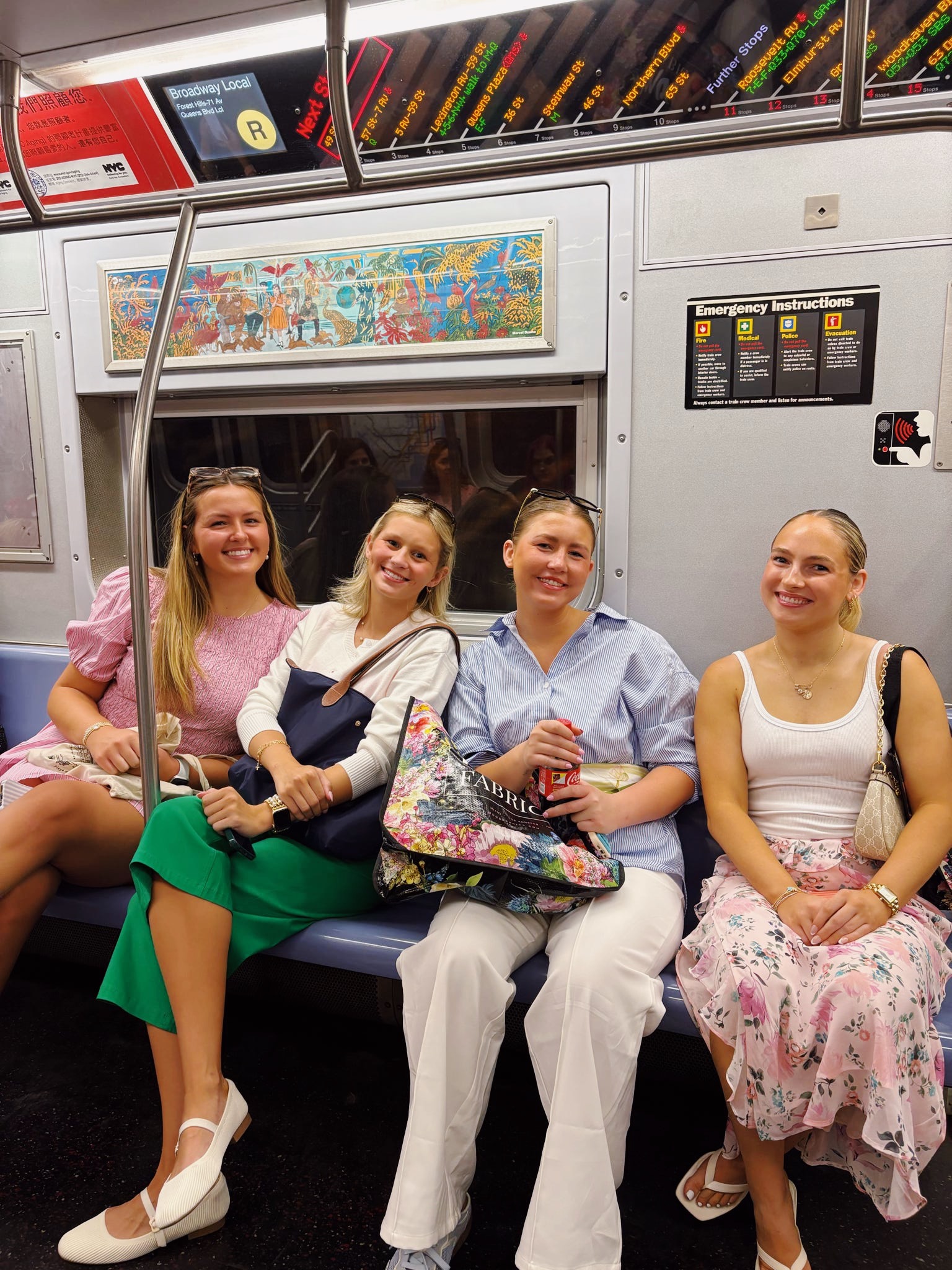
My overall impression of New York City’s retail and fashion merchandising landscape is that it is fast-paced, creative, and constantly evolving. Experiencing the industry firsthand gave me a much deeper understanding of how many different manufacturers, departments, and operations work together to bring fashion products to consumers. Before this trip, I mostly thought about fashion in terms of clothing and trends. Still, I now have a greater appreciation for the business, marketing, merchandising, and retail operations that take place behind the scenes.
Visiting the Garment District was especially interesting because it highlighted the history and importance of New York City as a fashion capital. The Garment District in New York has been around for over a century and has consistently been the leader in fashion design and manufacturing in America. Seeing the concentration of showrooms, design studios, fabric suppliers, and fashion businesses showed me how interconnected the industry is. It was fascinating to learn how designers, merchandisers, marketers, buyers, and manufacturers all collaborate throughout the product development process.
Retail store visits and company visits increased my industry knowledge by showing me how brands create unique customer experiences while maintaining their brand identity. I was able to see how visual merchandising, marketing strategies, product assortment, and customer service all contribute to a company’s success. Overall, this experience helped me connect concepts learned in the classroom to real-world business practices. Being given this opportunity gave me a better understanding of the wide range of career paths available in the fashion industry.
My visit to Kleinfeld Bridal showed how a retailer can create a unique and memorable shopping experience through its store design, merchandise assortment, and customer service. The store layout is designed to make bridal shopping feel personal and special, with private fitting areas and spacious showrooms that allow brides to browse and try on dresses comfortably. The elegant design and décor help create a luxurious atmosphere that befits the occasion’s importance.
Kleinfeld’s visual merchandising focuses on showcasing bridal gowns in an organized and attractive way. Dresses are displayed by style and designer, making it easier for customers to find a silhouette, style, color, and design that fit their preference. The target customers are brides looking for a wide selection of wedding gowns and personalized service. Kleinfeld’s brand identity is centered on helping brides find their dream dress while providing a memorable and emotional shopping experience.
Customer service is one of Kleinfeld’s greatest strengths. Consultants work one-on-one with brides, offering expert advice while creating a highly personalized experience. Kleinfeld’s merchandise includes dresses from top bridal designers, offering a variety of gowns. This sales strategy gives Kleinfeld exclusivity while offering a wider range of styles to satisfy almost anyone’s needs.
The store communicates its brand through elegant displays, a welcoming atmosphere, personalized appointments, and the excitement created throughout the shopping process. These experiential retailing practices make customers feel valued by creating lasting memories. This visit connected to several course concepts, including visual merchandising, customer experience, brand positioning, assortment planning, and relationship marketing. Overall, Kleinfeld Bridal successfully creates an emotional and customer-focused retail experience that strengthens its reputation as one of the most well-known bridal retailers in the industry.
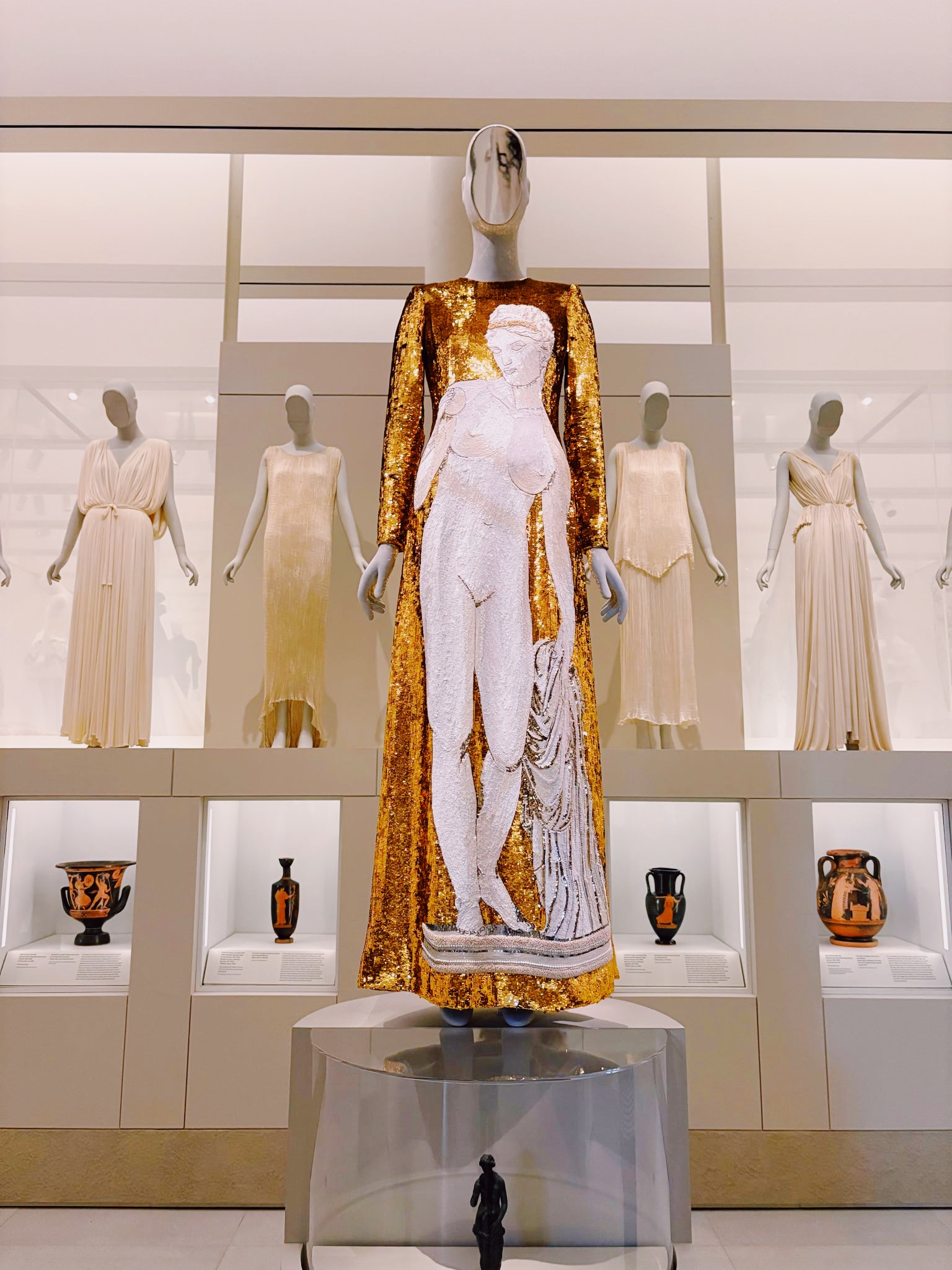
The Costume Institute exhibition at the Metropolitan Museum of Art helped me see fashion as much more than clothing that we see in stores or magazines. This exhibit traced fashion through ancient history, the classical body, and the Renaissance and Neoclassical periods. They took us through the Middle Ages, the eighteenth and nineteenth centuries, with the bustle, crinoline, and corset. They showed us exhibits featuring unclothed forms, skin as a canvas for fashion with tattooing & piercing, ,and anatomical and circulatory works of the human body. They displayed the diversity of the human body and its impact on fashion. We saw exhibits with the pregnant body, different types of bodies regarding weight, race, gender, people with disabilities, as well as the aging body and mortality.
One of my favorite parts of the exhibition was seeing how the dressed body was represented throughout different periods of history, but especially the abstract body. We have the picture of “A Sunday on La Grande Jatte” by Georges Seurat in our guest bedroom. I don’t think I ever realized how undergarments women had to wear, and really, it wasn’t that long ago—the weight of them, and the pain it had to cause. I never looked at the woman in that painting thinking about what she was wearing. I also realize that some of the things they used are still around today, not quite on such extreme measures. We still use bustles on wedding gowns, and women still wear corsets. Today, bustles are not gigantic, and we can still breathe in a corset, but we still use them.
The exhibition transformed fashion into a curated narrative by displaying garments in ways that highlighted their relationship with the body. The mannequins played an important role by showing all aspects of human diversity, realistic body types, and all forms of life. The MET did a wonderful job with this exhibit by showing us how fashion can be for everyone.
One of the most valuable takeaways from the Professional Etiquette Seminar was the importance of professional communication and networking. I learned that first impressions matter and that professionalism goes beyond appearance—it also includes body language, confidence, active listening, and how you communicate with others. The seminar emphasized the importance of building genuine relationships, following up with professional contacts, and being prepared to introduce yourself and discuss your career interests. I believe it is important to maintain communication with the people you meet. Reach out occasionally to maintain a relationship with a potential contact.
Throughout the program, the most impactful experiences for my professional development were visiting fashion companies, meeting industry professionals, and seeing firsthand how different areas of the fashion industry operate. These experiences helped me connect classroom concepts to real-world business practices. They gave me a better understanding of the many career opportunities available within fashion merchandising, retailing, marketing, and public relations. The company visits also showed me how important collaboration, creativity, and professionalism are in the workplace.
This program exposed me to several career paths that I had not previously considered and helped clarify the types of opportunities that may be a good fit for me in the future. I became especially interested in careers related to fashion marketing, brand management, and public relations because they combine creativity, communication, and strategic thinking. Overall, the program increased my confidence, expanded my industry knowledge, and helped me better understand the skills and experience needed to build a successful career in fashion.

